01 · Respect for the child
Dignity in the everyday.
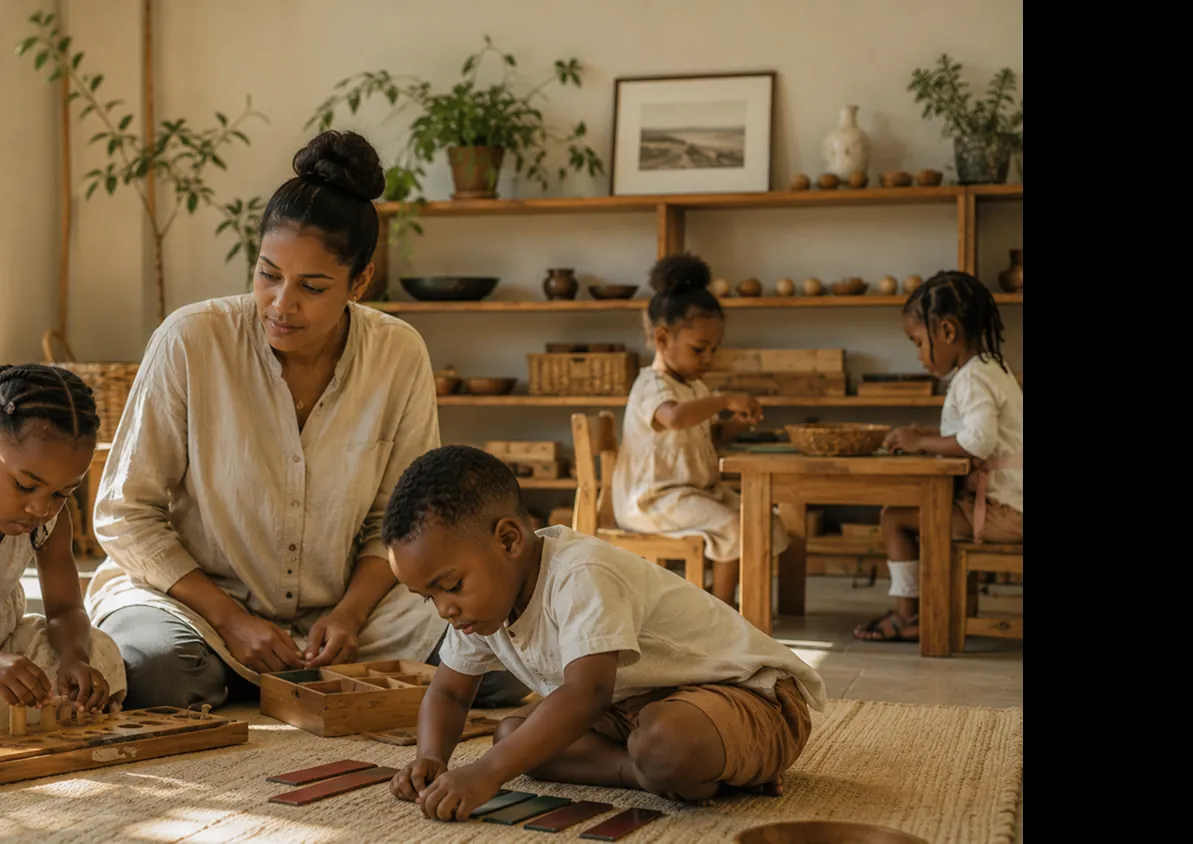
Respect lives in small choices: allowing time, speaking directly to a child and making room for participation. It asks adults to recognise a developing person with purposes of their own.
 IndabaINSTITUTECourses
The Way
A child reveals their needs through movement, language, repetition, curiosity and concentration. The adult’s work begins with attention.
01 · Respect for the child
Respect lives in small choices: allowing time, speaking directly to a child and making room for participation. It asks adults to recognise a developing person with purposes of their own.
02 · The prepared adult
Knowledge matters, and so does self-awareness. The adult learns to observe, to question habits and to distinguish help that supports development from help that interrupts it.
03 · The prepared environment
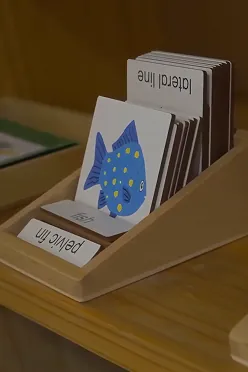
Order, beauty and appropriately chosen materials can invite purposeful activity. A prepared environment responds to developmental needs and makes room for growing independence.
04 · Observation and reflection
Observation connects educational ideas with an actual child. Reflection helps us examine what we have seen, consider the context and make a proportionate response.
05 · Freedom within limits
Freedom is accompanied by responsibility for other people and the shared environment. Clear, respectful limits make meaningful choice possible.
06 · Hands and movement
Movement is woven into learning. Practical activity offers children opportunities to coordinate, repeat, solve problems and experience themselves as capable participants.
07 · The whole child
Language, movement, thinking and social life develop in relationship. Montessori asks adults to consider the whole person rather than isolating a single skill or comparing children against one another.
08 · Community knowledge
A prepared environment belongs to a real place. Language, family relationships and cultural knowledge help educators make thoughtful connections between developmental principles and local life.
09 · Lifelong formation
Professional preparation is a beginning. Mentoring, dialogue and ongoing observation help educators continue to refine their judgement throughout their working lives.
AN INVITATION